
Staring at a weird empty patch in your tattoo plan can feel oddly annoying, right?
You already love the big piece but that little gap keeps whispering finish me already.
Fill in tattoo ideas pull a sleeve leg piece or a scattered collection together and make the whole thing look intentional instead of like the skin hit pause halfway through.
fill in tattoo ideas
1. Black and Grey Smoke Swirls
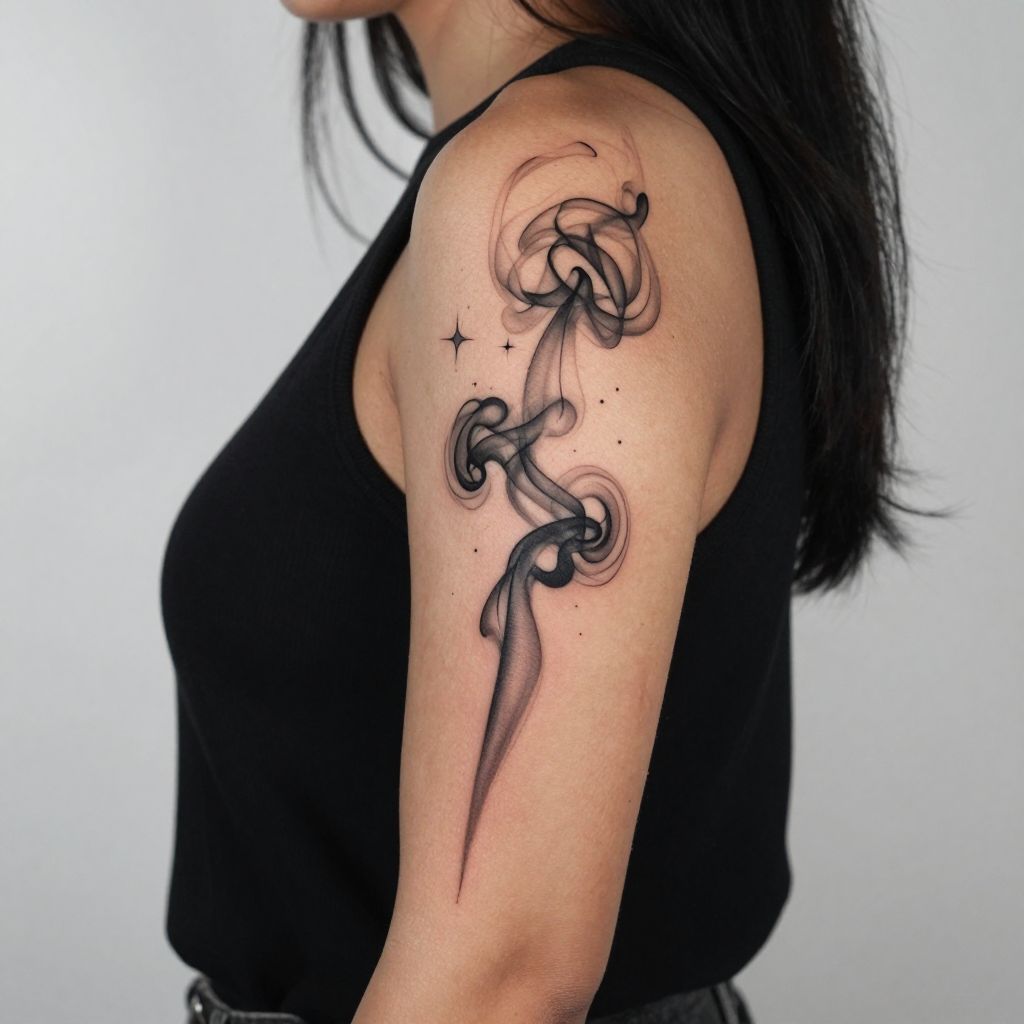
Black and grey smoke swirls feature soft curling smoke shapes around main tattoos with fine line edges and layered grey shading to create motion form and atmosphere while remaining visually subtle.
- Style: Realistic smoke with fine line edges and soft grey shading.
- Placement: Forearm upper arm calf or thigh where the shape can follow the body curve.
- Size: Small to medium patches that tuck into irregular gaps.
- Shading approach: Layered grey wash and soft gradients for depth.
- Color palette: Black and grey with high contrast where needed.
- Symbolism: Change movement mystery and passage of time.
- Optional ideas: Add faint stars or dotwork for a celestial touch.
Practical notes: Pain usually stays moderate and curved areas feel forgiving but very soft shading can fade quicker so pick an artist who balances contrast and follow careful moisturizing during healing.
2. Dotwork Stars and Sparkles
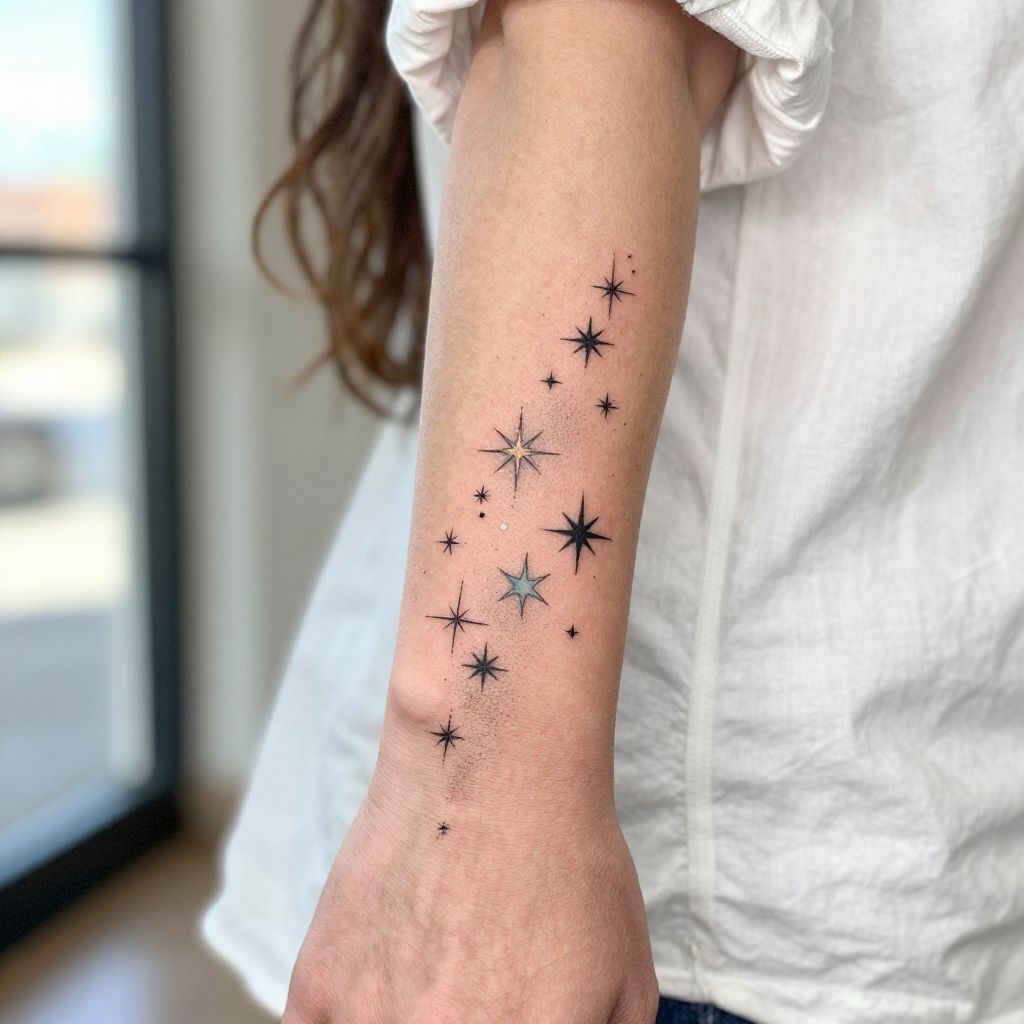
Dotwork stars and sparkles use tiny stippled dots and crisp small stars to fill gaps with a night sky feel that reads delicate from afar yet holds texture up close.
- Style: Dotwork with varied dot density and tiny star outlines.
- Placement: Wrists collarbones shoulders ankles or behind the ear for a dainty touch.
- Size: Very small clusters up to medium scattered fields.
- Shading approach: Stippling for soft depth with a few crisp stars for contrast.
- Color palette: Black ink or subtle color accents like pale blue or soft gold.
- Symbolism: Guidance hope and personal landmarks.
- Optional ideas: Pair with tiny script or a micro moon for extra meaning.
Practical notes: Pain tends to stay low but crisp dots need touch ups over time so expect occasional refreshes and ask for healed photos of similar work.
3. Thorn Vine Wraps
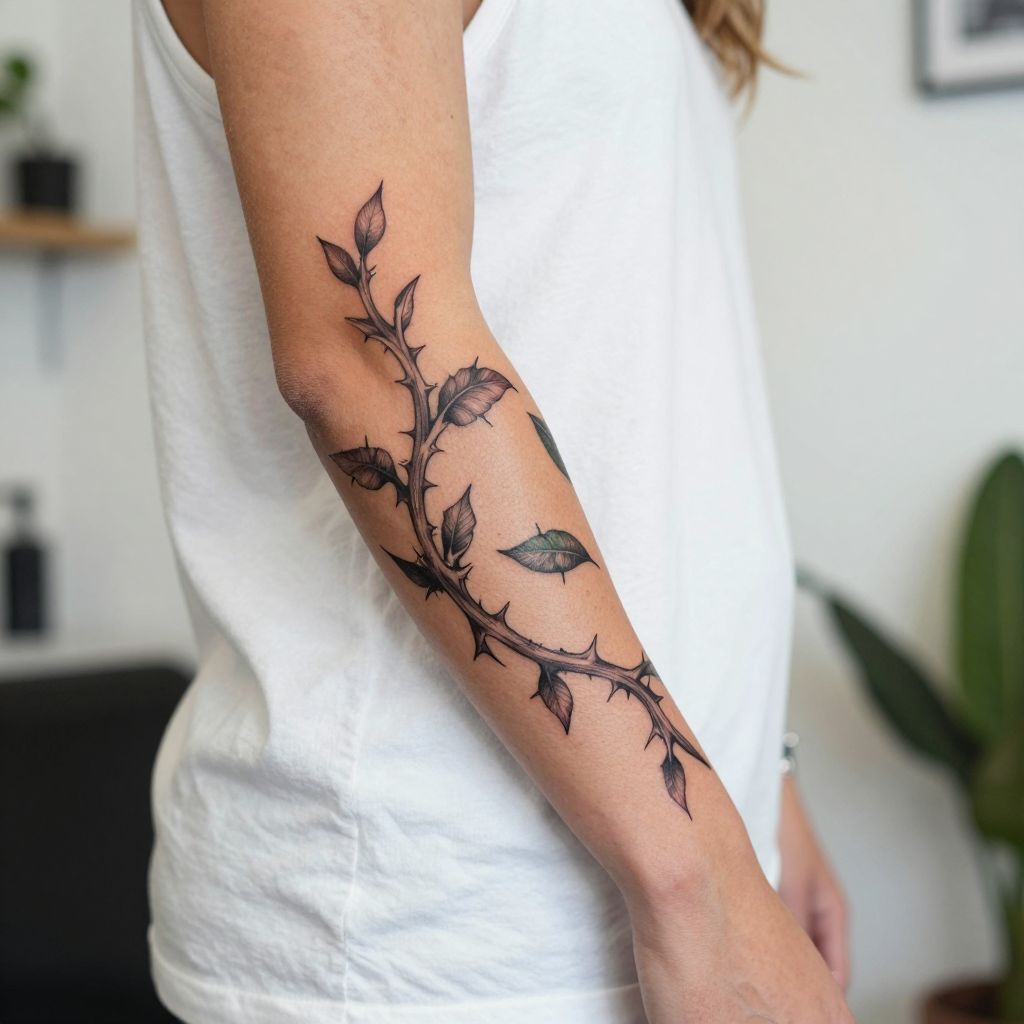
Thorn vine wraps put twisting stems and pointed thorns between tattoos with line focused vine work and selective shading to give organic flow and an edge at the same time.
- Style: Botanical line work with thorn accents and soft shadowing.
- Placement: Bicep forearm ribs or calf where the vine can wrap naturally.
- Size: Thin wraps up to fuller bands that connect multiple pieces.
- Shading approach: Light shading near leaves and thorns to add depth and contrast.
- Color palette: Black with muted green or dark red highlights as optional accents.
- Symbolism: Protection strength sacrifice and resilience.
- Optional ideas: Weave small flowers or names into the vine for personalization.
Practical notes: Pain can rise on ribs and inner arms and thin thorns need careful aftercare to avoid blurring so plan for touch ups and avoid scratching while healing.
4. Small Clouds and Soft Sky Shapes
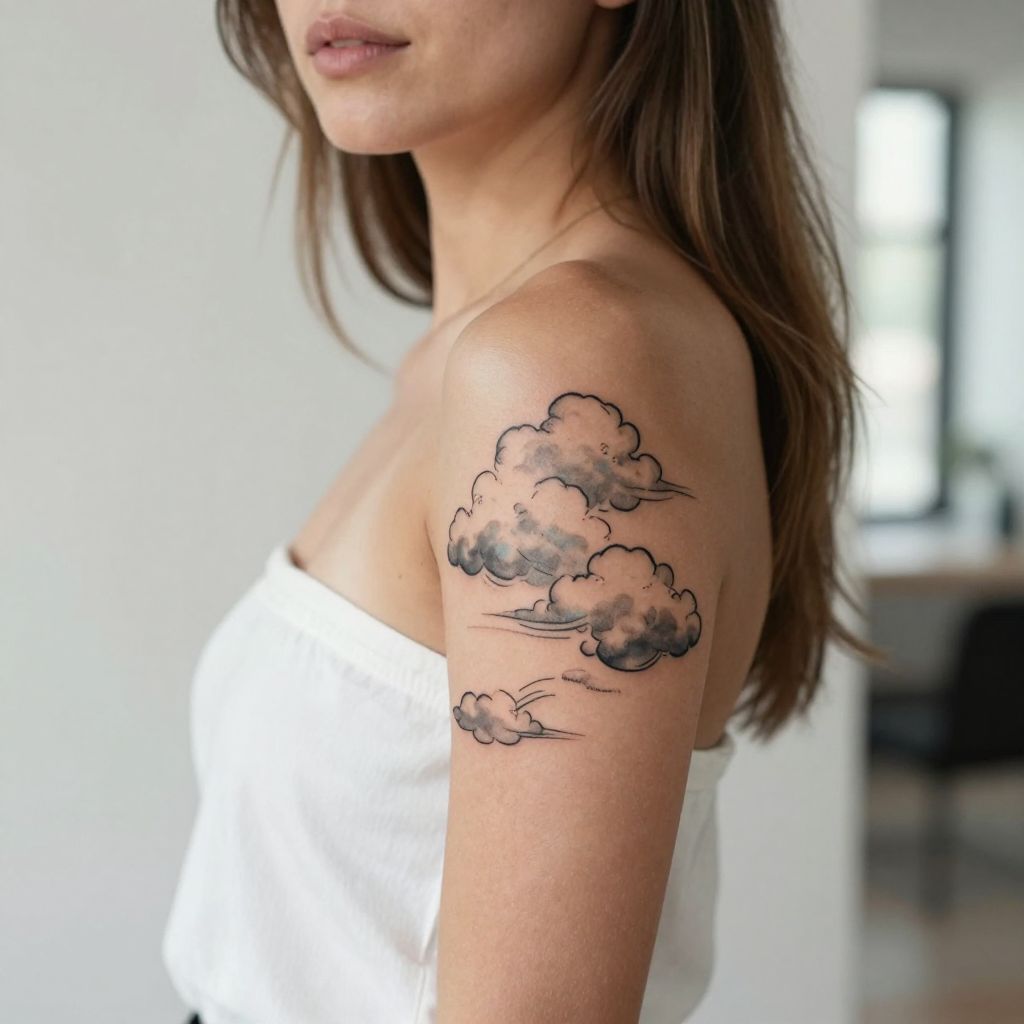
Small clouds and soft sky shapes place fluffy cloud patches and faint wind lines between larger pieces with soft grey shading and rounded edges for a calm airy background.
- Style: Soft shading and rounded cloud forms with gentle outlines.
- Placement: Thighs upper arms calves and shoulders where clouds can spread.
- Size: Tiny scattered puffs up to wider sky bridges.
- Shading approach: Smooth gradients and soft edge blending to avoid hard blobs.
- Color palette: Black and grey or pale blue washes for a lighter feel.
- Symbolism: Freedom transition calm and perspective.
- Optional ideas: Add a small bird or sun peek for a narrative nod.
Practical notes: Pain usually stays mild and clouds age best with enough contrast so the artist should avoid overly pale fills and follow a solid moisturize plan during healing.
5. Ornamental Filigree
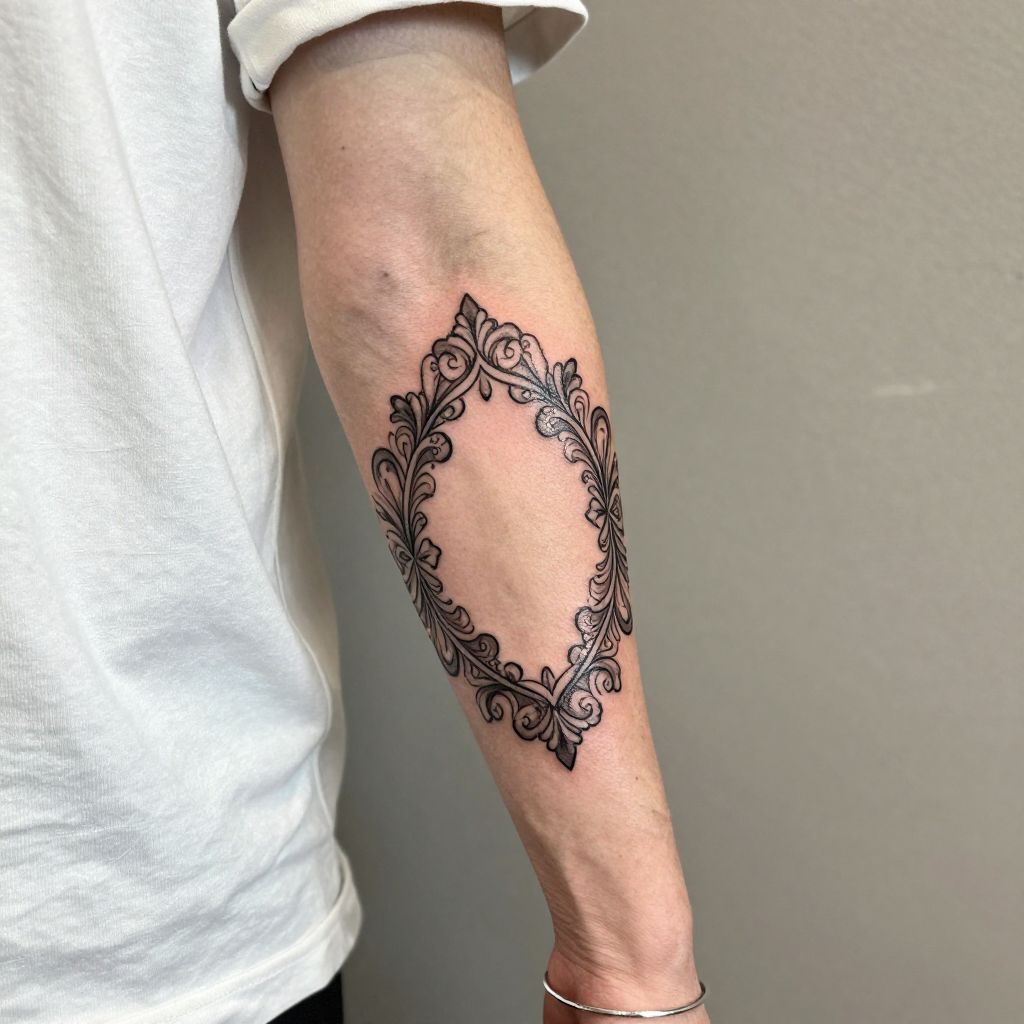
Ornamental filigree uses lace like lines loops and flourishes with precise linework and selective shading to frame tattoos and turn empty areas into deliberate decorative bands.
- Style: Fine line ornamental work with symmetrical motifs.
- Placement: Forearm chest sternum collarbone or calf for a framed look.
- Size: Narrow border pieces up to wider decorative panels.
- Shading approach: Light shading to suggest carved depth without heavy fill.
- Color palette: Black with soft grey shading or metallic ink touches if desired.
- Symbolism: Beauty balance craftsmanship and personal identity.
- Optional ideas: Integrate initials or small gems in the pattern for subtle personalization.
Practical notes: Pain varies by placement and thin lines need clean healing so avoid areas that irritate easily and plan for touch ups to keep the filigree crisp.
6. Tiny Botanical Sprigs
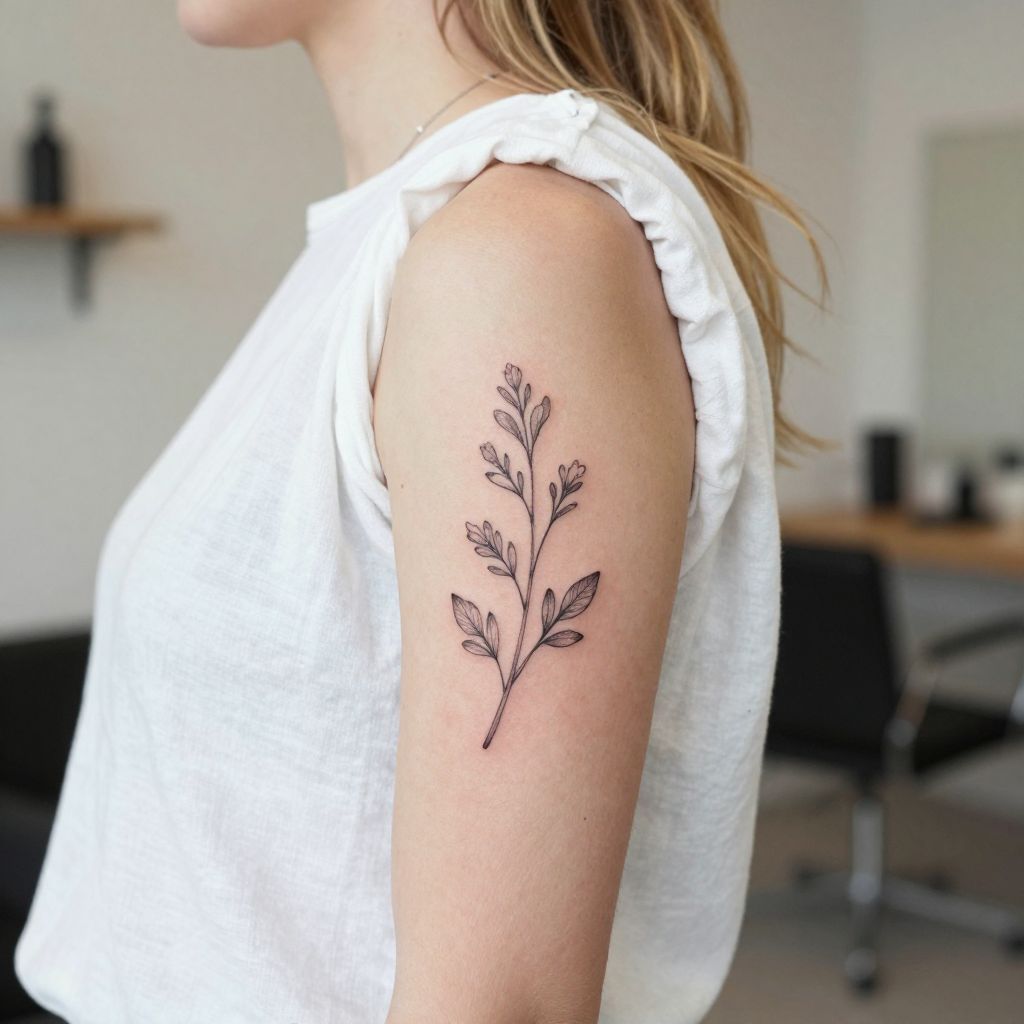
Tiny botanical sprigs tuck small stems leaves and buds into gaps with delicate linework and light stippling so the whole section looks grown and cohesive.
- Style: Fine line botanical with light stipple shading.
- Placement: Wrists hands forearms ankles and shoulders are ideal.
- Size: Very small sprigs up to short vine runs.
- Shading approach: Minimal shading with dotwork accents for texture.
- Color palette: Black or muted green tones depending on preference.
- Symbolism: Growth renewal and quiet progress.
- Optional ideas: Add a tiny date or coordinate near the stem for personal meaning.
Practical notes: Pain usually stays low and simple lines age best so avoid cramming excessive detail into tiny leaves and choose an artist experienced in small botanical work.
7. Sacred Geometry Spacers
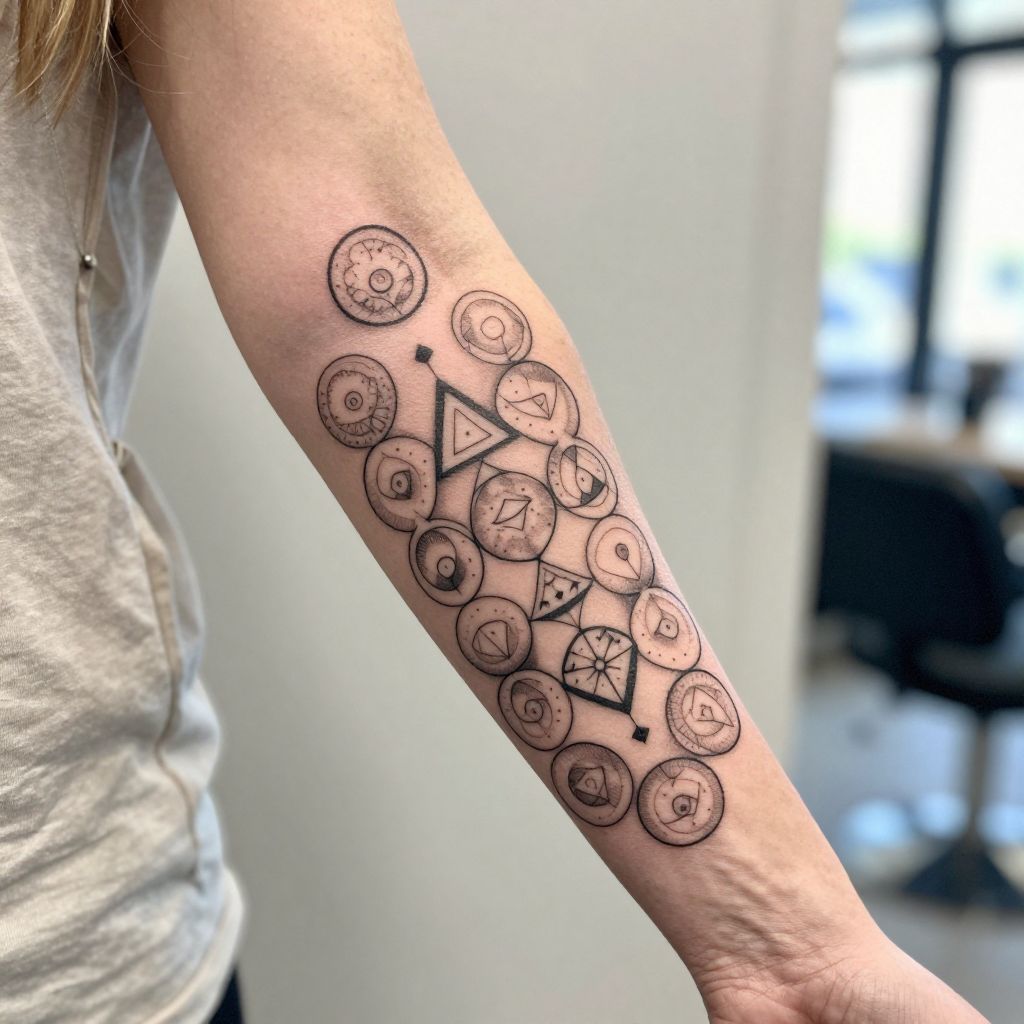
Sacred geometry spacers use circles triangles and repeating line patterns to fill space with balanced motifs that read structured and modern while keeping visual order.
- Style: Geometric line work with precise spacing and optional dotwork.
- Placement: Forearms shins upper arms and calves where lines can run straight.
- Size: Small to medium repeated units or single larger spacers.
- Shading approach: Subtle dotwork or light grey fills to soften edges.
- Color palette: Black and grey or a single accent color for emphasis.
- Symbolism: Harmony balance and natural patterns.
- Optional ideas: Combine with small nature motifs to add warmth.
Practical notes: Pain can feel sharper near bone and the artist must ensure symmetry so pick someone with excellent technical precision and inspect healed examples.
8. Wind Bars and Motion Lines
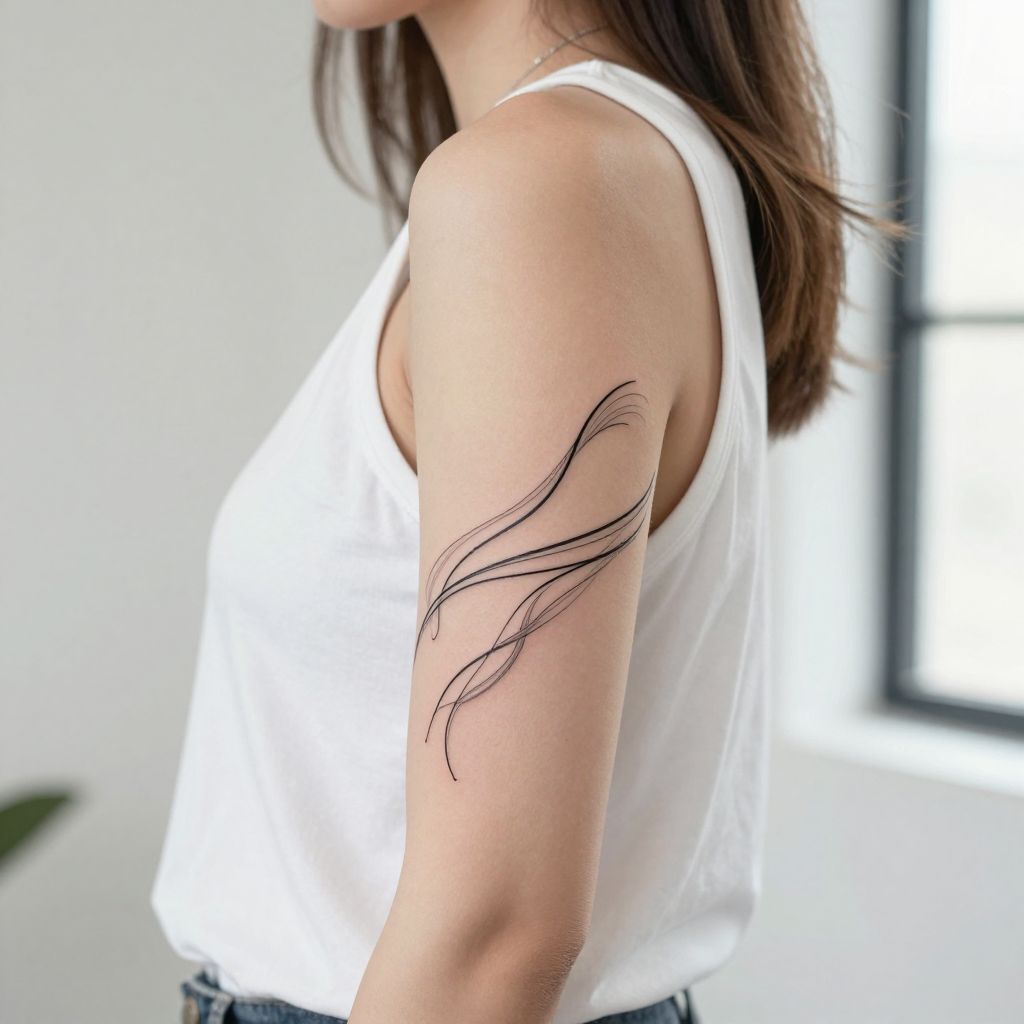
Wind bars and motion lines place thin sweeping lines and layered curves to guide the eye and create a sense of movement between separate tattoos with a minimal clean look.
- Style: Clean minimal linework with layered curves.
- Placement: Sleeves legs and ribs where the body adds natural motion.
- Size: Short connectors or longer flowing paths.
- Shading approach: Mostly line work with small shading accents for depth.
- Color palette: Black ink or very light grey for subtlety.
- Symbolism: Progress movement and connection.
- Optional ideas: Pair with tiny symbols at line ends to add narrative cues.
Practical notes: Pain stays low in fleshy areas and even spacing matters a lot so check layout on the skin before the needle meets the line.
9. Tiny Animal Tracks
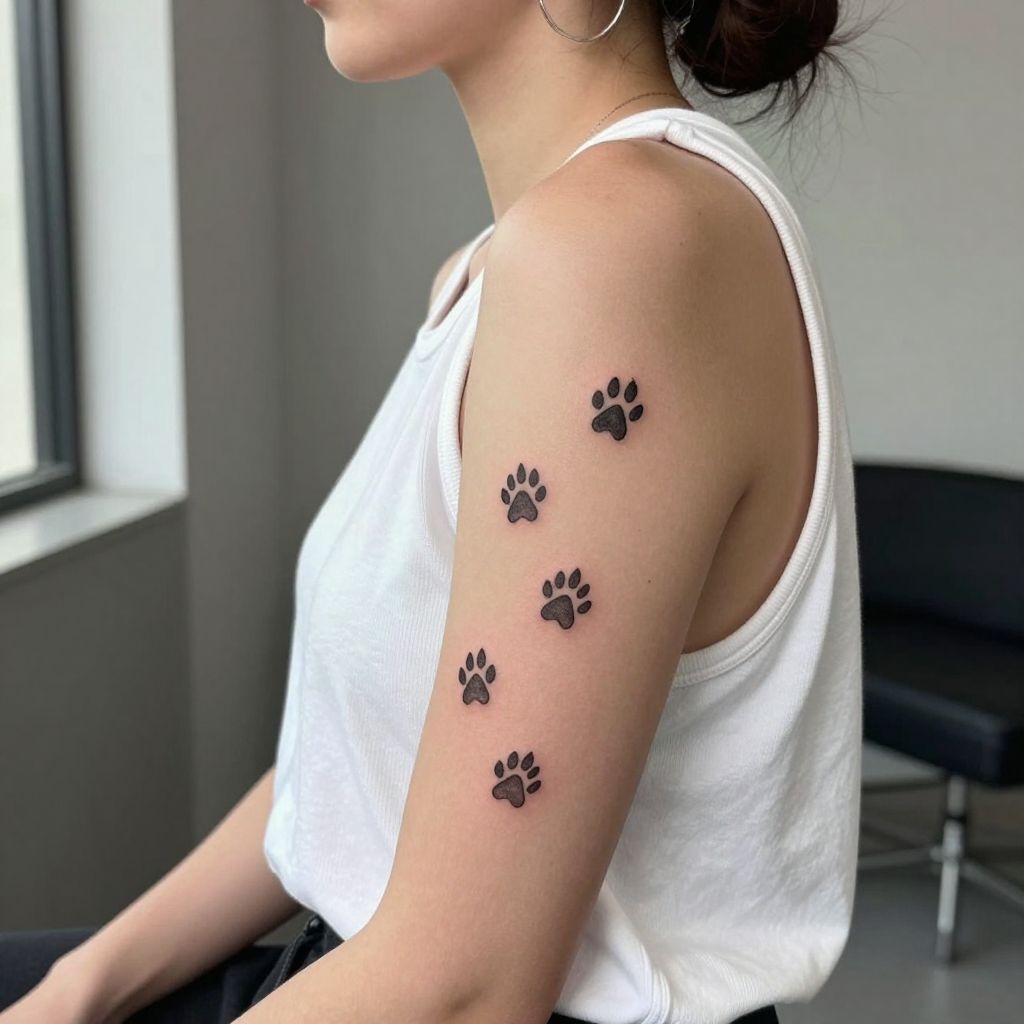
Tiny animal tracks use small paw prints bird footprints or hoof marks to make a playful trail that points toward larger pieces and adds personal character.
- Style: Crisp small prints with minimal shading.
- Placement: Forearm ankle shoulder or calf where a path can travel.
- Size: Tiny repeated prints or a short scattered path.
- Shading approach: Light shading or solid black for clarity.
- Color palette: Black or small colored accents for personality.
- Symbolism: Loyalty journeys instinct and memory.
- Optional ideas: Use a specific animal print to honor a pet or a trip.
Practical notes: Pain usually stays low and proportion matters so the artist should keep prints well scaled to surrounding art to avoid a comic look.
10. Mini Daggers and Blade Details
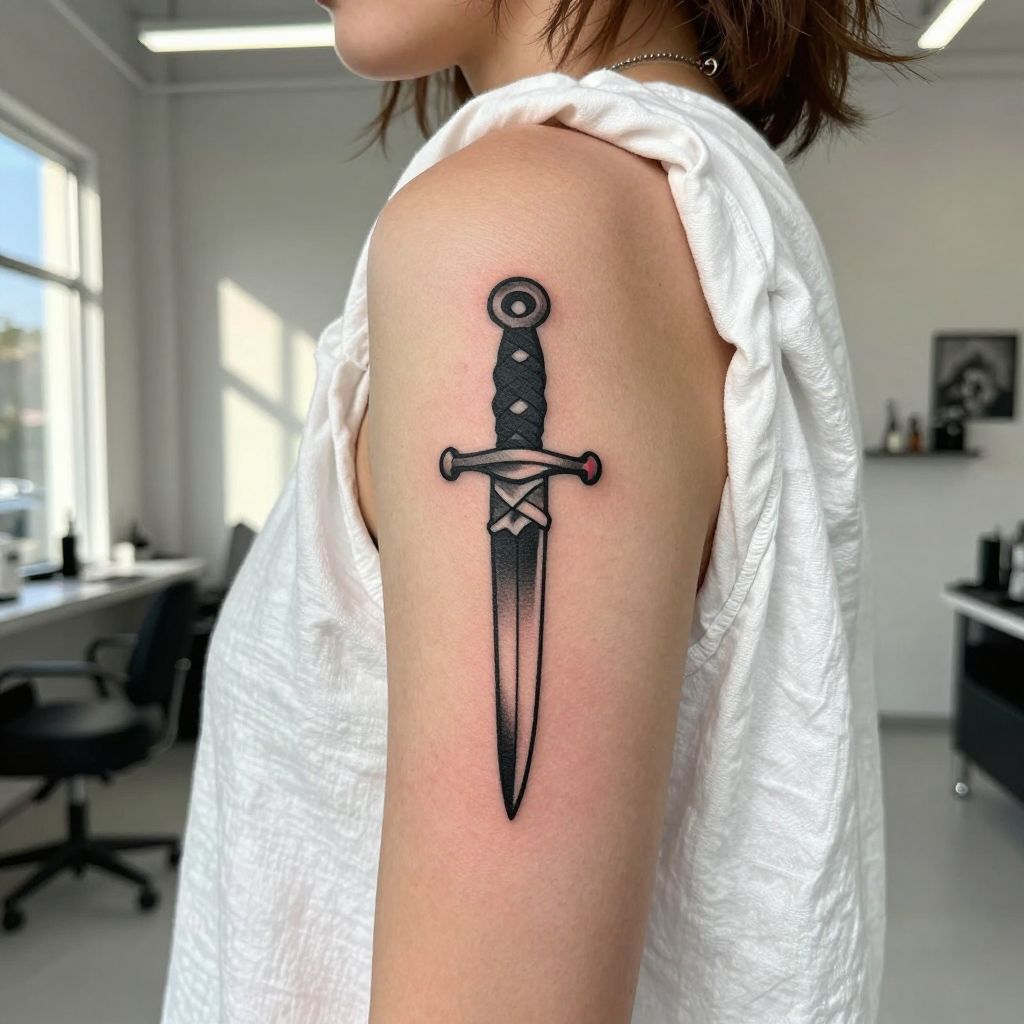
Mini daggers and blade details tuck small blades hilts and silhouetted edges into gaps with bold outlines and targeted shading to suggest metal texture without taking over the composition.
- Style: Traditional blade shapes with solid outlines and shading.
- Placement: Forearms calves and thighs where space allows breathing room.
- Size: Small single daggers or short repeated accents.
- Shading approach: Contrast driven shading for a metallic look.
- Color palette: Black with options for red gold or grey accents.
- Symbolism: Protection bravery and clarity.
- Optional ideas: Add a ribbon or small word on the hilt for context.
Practical notes: Pain can rise on bony areas and strong lines need crisp healing so plan for touch ups and avoid overly tiny blades that lose impact later.
11. Whip Shaded Petals
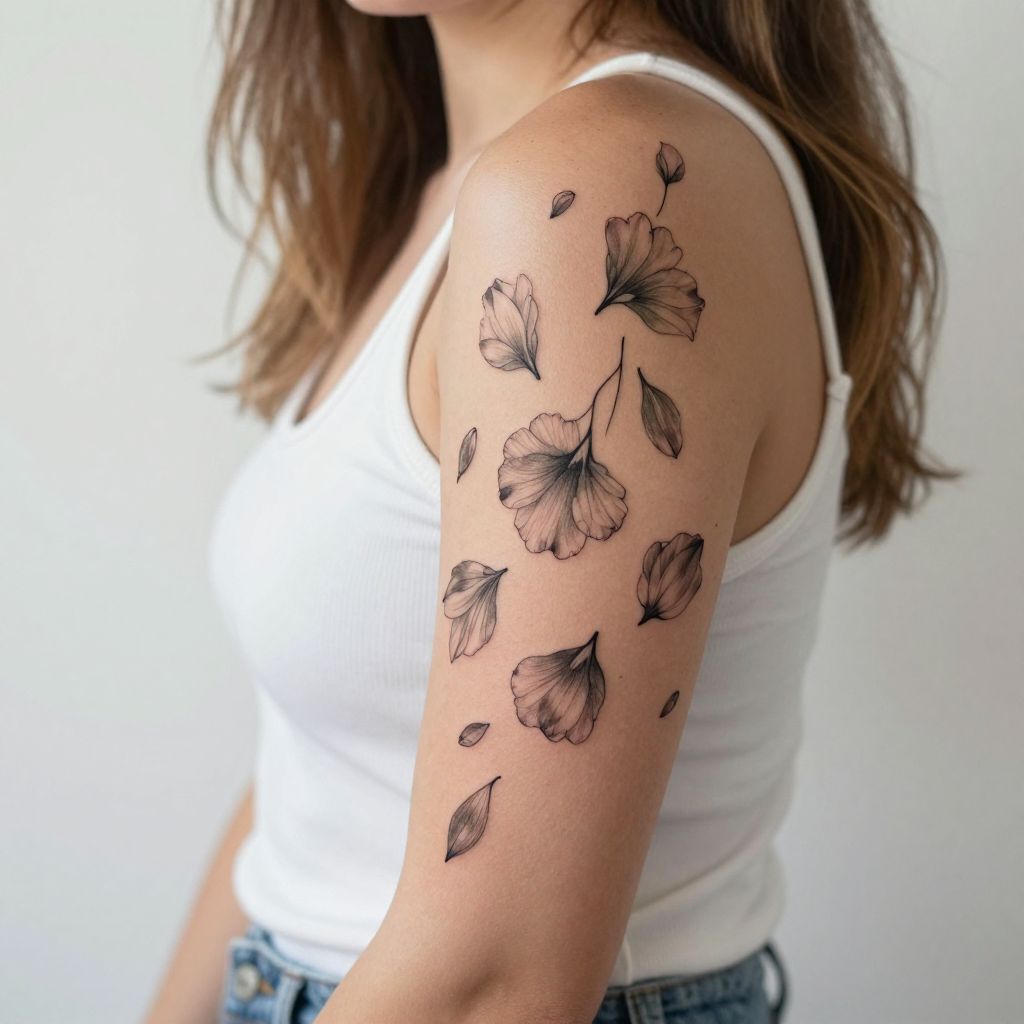
Whip shaded petals use loose petal shapes curved linework and whip shading to create drifting floral fragments that add softness and texture between larger pieces.
- Style: Loose floral fragments with whip shading and soft edges.
- Placement: Forearms shoulders hips and thighs where petals can flow.
- Size: Small scattered petals up to larger flowing groups.
- Shading approach: Whip shading for texture and light contrast at edges.
- Color palette: Black and grey or muted color washes for a soft look.
- Symbolism: Beauty growth fragility and change.
- Optional ideas: Mix petal fragments with a tiny bud or leaf for cohesion.
Practical notes: Pain is moderate in fleshy areas and delicate shading needs careful aftercare so avoid heavy friction during healing to keep the texture smooth.
12. Crescent Moons and Lunar Dust
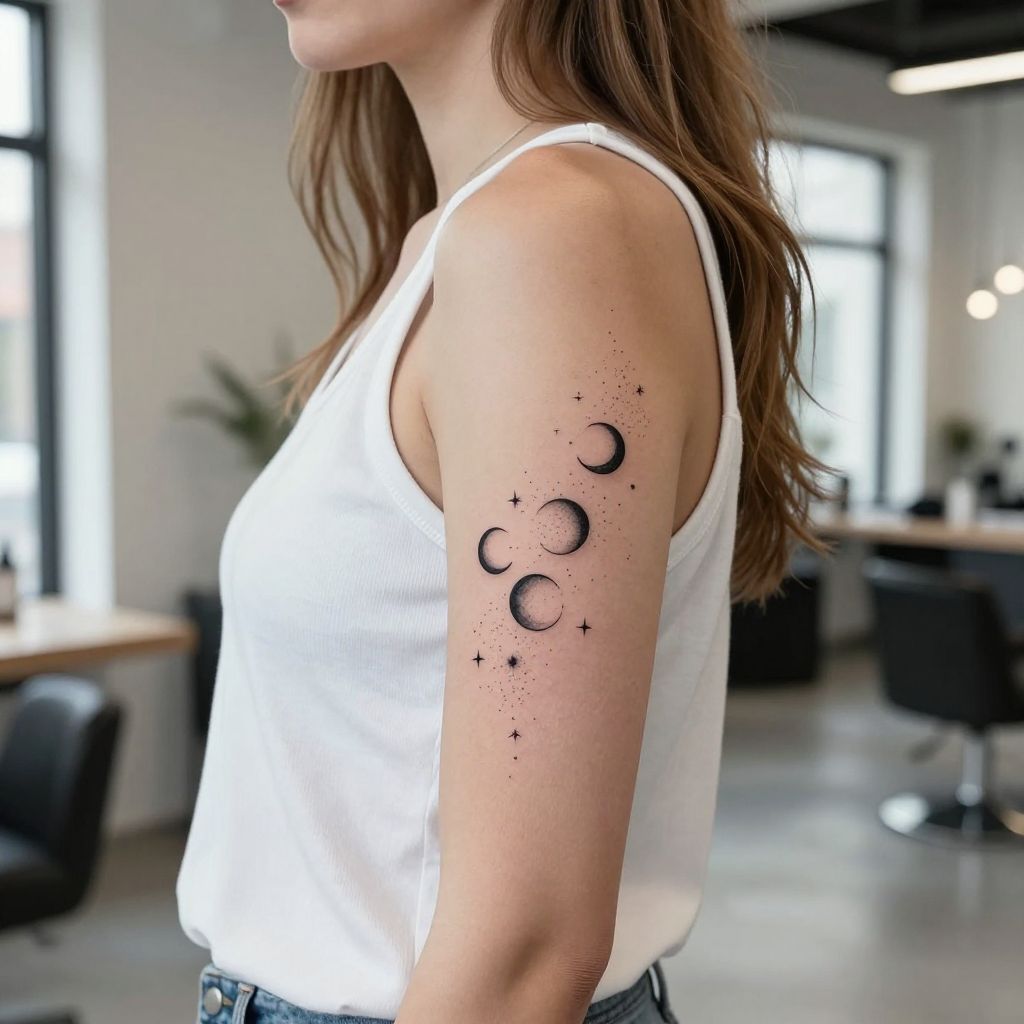
Crescent moons and lunar dust place small moons dot clusters and scattered spark dots to create a quiet celestial bridge that reads mystical and tidy at the same time.
- Style: Minimal crescent outlines with dotwork accents and fine stars.
- Placement: Wrist forearm shoulder ankle or back of arm for flow.
- Size: Tiny single moons or short series of moons and dots.
- Shading approach: Dotwork shading for soft texture and subtle glow.
- Color palette: Black with optional pale silver or blue highlights.
- Symbolism: Cycles intuition and hidden strength.
- Optional ideas: Pair with a small phase sequence for personal meaning.
Practical notes: Pain tends to stay low to moderate and tiny details can blur so keep the design simple and expect occasional touch ups for crisp dotwork.
13. Chain Link Accents
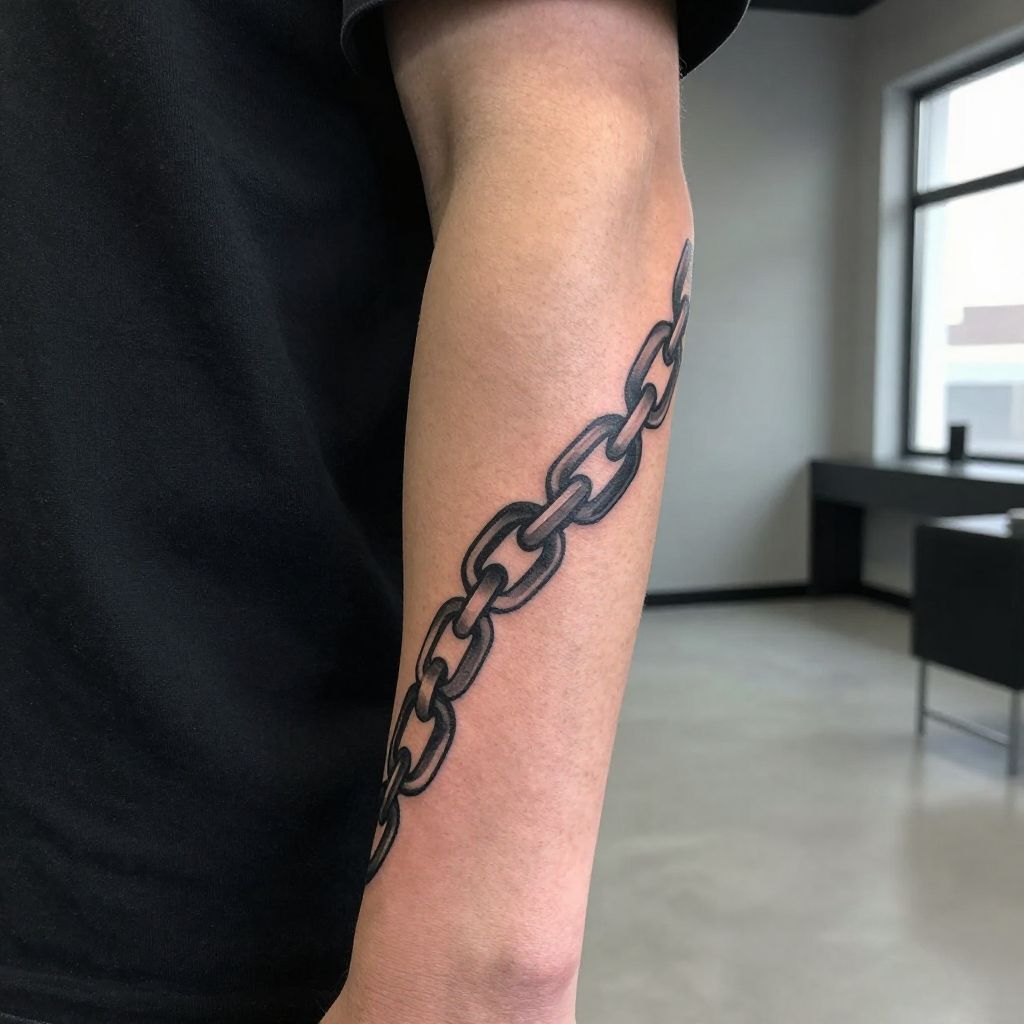
Chain link accents use short chain segments with bold links and shaded edges to create a neat industrial filler that visually ties pieces together.
- Style: Bold link outlines with shaded inner edges for depth.
- Placement: Forearm wrist upper arm ankle or collarbone as a band.
- Size: Small connecting segments up to longer chains that guide the eye.
- Shading approach: Solid black outlines with light gradient shading for metallic feel.
- Color palette: Black and grey or metallic tones for accents.
- Symbolism: Connection strength loyalty and personal bonds.
- Optional ideas: Break a link to symbolize freedom or add a charm for meaning.
Practical notes: Pain can sting at the wrist and ankle and proportional links matter so ask the artist to mock up spacing on your skin first.
14. Abstract Ink Splashes
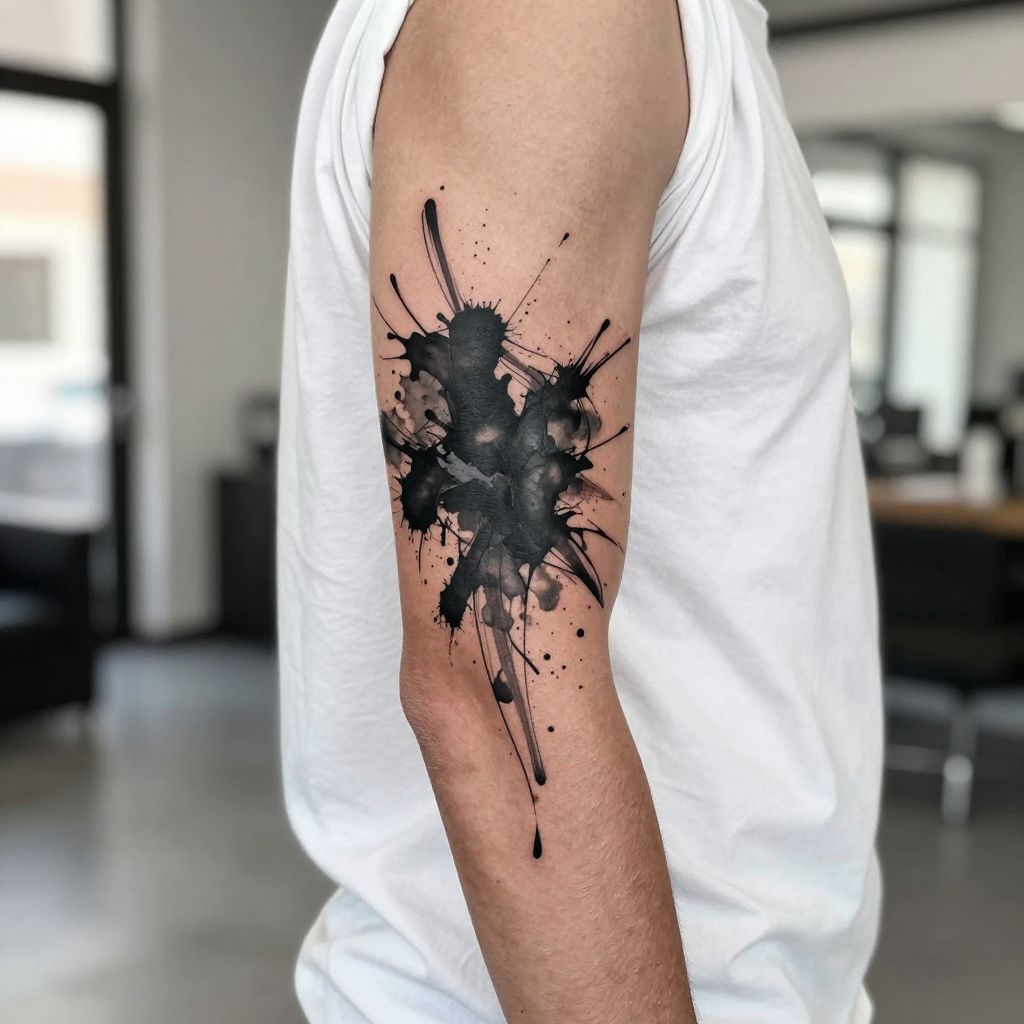
Abstract ink splashes use blotches strokes and specks to create expressive filler that feels painterly and chaotic in a controlled way and that brings studio energy to a sleeve.
- Style: Painterly splatters washes and sharp splatter edges.
- Placement: Forearms thighs backs of arms and calves where movement can spread.
- Size: Variable spots that range from tiny accents to larger washes.
- Shading approach: Dense black areas with translucent washes for layering.
- Color palette: Black with optional bold color accents for contrast.
- Symbolism: Creativity emotion freedom and spontaneity.
- Optional ideas: Combine with line work or a small motif to ground the chaos.
Practical notes: Pain varies by density and healing can alter tiny splatter detail so follow aftercare closely and expect some touch up work.
15. Micro Script and Tiny Lettering
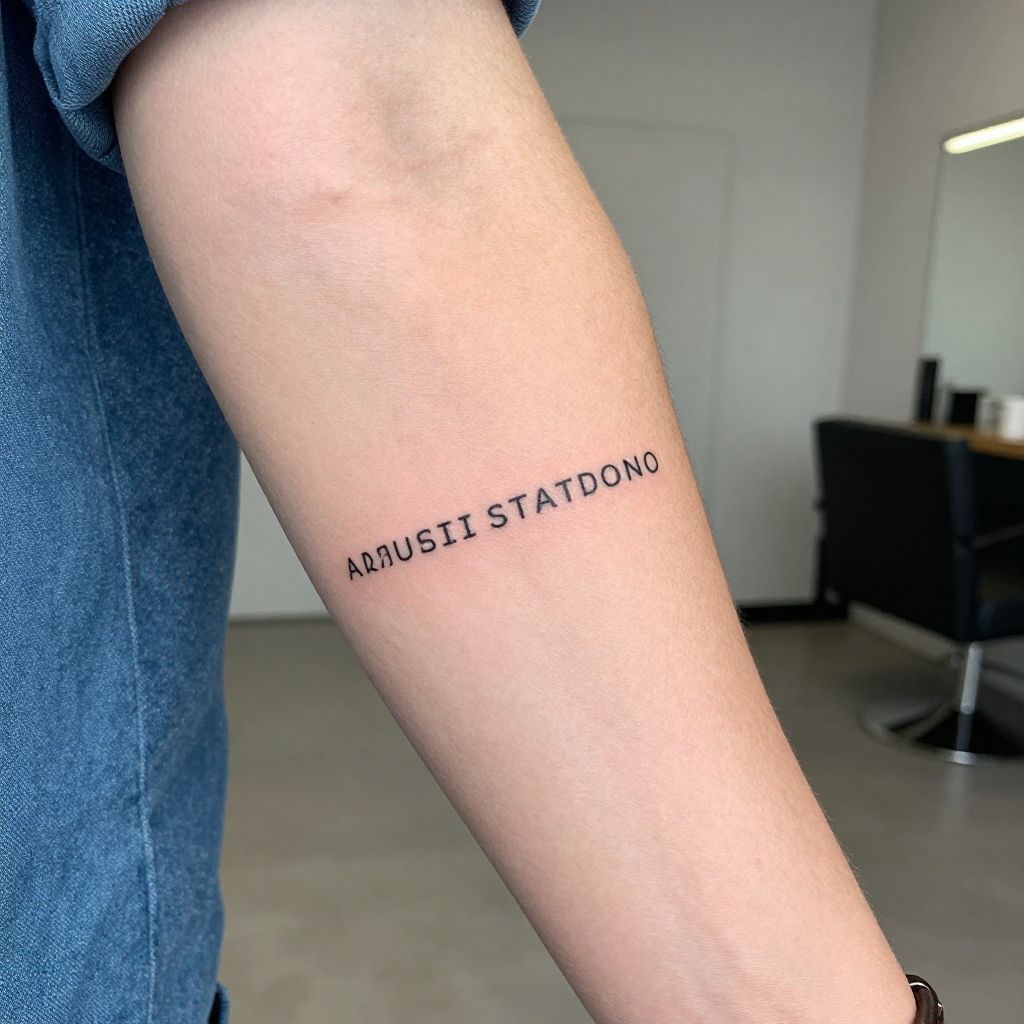
Micro script and tiny lettering place short words dates or names in tiny readable script that fits narrow gaps and carries private meaning without stealing focus.
- Style: Clean micro script with even spacing and legible letterforms.
- Placement: Inner arm collarbone ribcage ankle and between larger pieces.
- Size: Very small single words or short phrases only.
- Shading approach: Minimal if any shading to keep letters crisp.
- Color palette: Black ink for longevity and clarity.
- Symbolism: Personal motto memory or a private marker.
- Optional ideas: Use a loved ones handwriting or a coordinate for intimacy.
Practical notes: Pain can spike on ribs and feet and fine script needs an artist with excellent steady hands so choose someone who shows healed lettering in their portfolio.
Frequently Asked Questions
How do I choose the best fill in tattoo ideas for my sleeve?
Start by looking at the shapes you already have on your skin and ask how a filler will support rather than fight the main work.
If the sleeve feels crowded pick softer filler like smoke dots or botanical sprigs and if it feels too open choose stronger shapes like geometry chain links or thorn vines.
Do small fill in tattoos hurt less?
Usually yes but placement matters more than size and tiny tattoos on ribs ankles fingers and inner arms can sting quite a bit.
Soft flesh tends to feel easier than bone so expect surprises based on the exact spot.
What kind of filler ages best over time?
Simple shapes with solid spacing age the best and clean black lines bold contrast and moderate sizing hold up better than ultra tiny detail.
Ask the artist how the design will look in five years not just on day one and you will save trouble later.
Can I mix different fill in tattoo ideas together?
Yes mixing stars smoke and botanicals often looks more natural than sticking to a single filler style as long as the artist keeps the flow consistent.
Balance matters so pick one or two filler themes to support the main work and avoid a collage that forgot its plan.
How big should filler tattoos be?
That depends on the gap and surrounding art and small gaps need tiny fillers while larger open spaces need longer or more sweeping pieces.
A good artist will size the filler to the body and not force a design into a place where it does not fit.
How do I find the right artist for fill in tattoo ideas?
Look for an artist whose portfolio shows clean linework strong spacing and smooth shading and match the artist to the filler style you want.
Ask to see healed photos because fresh work looks shiny and healed work tells the real story.
Final Thoughts
Fill in tattoo ideas do much more than patch empty skin and they can shape a sleeve tie pieces together and give your plan a cleaner finish without stealing the spotlight.
The best choice depends on your vibe pain tolerance and how much visual space you want to keep open so take your time and test ideas on the skin before you commit.
Talk to a solid artist adapt the design until it fits your story and if you want to keep exploring tattoo body art options check out this sleeve filler guide.